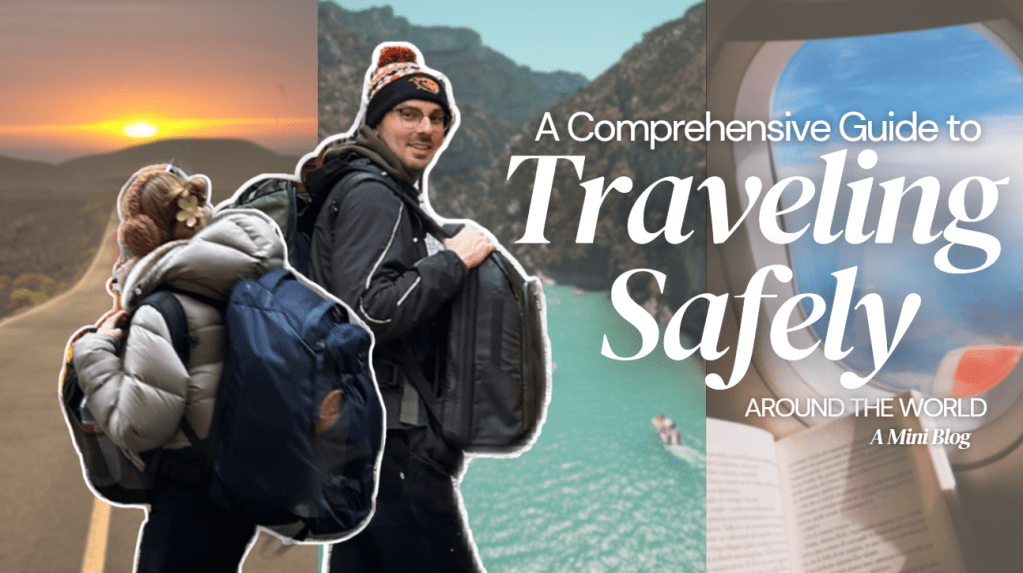
Traveling the world is an incredible adventure filled with new experiences, cultures, and landscapes. However, it’s essential to prioritize safety to ensure a smooth and enjoyable journey. Here’s a comprehensive guide on how to travel safely around the world.
Preparation Before You Go
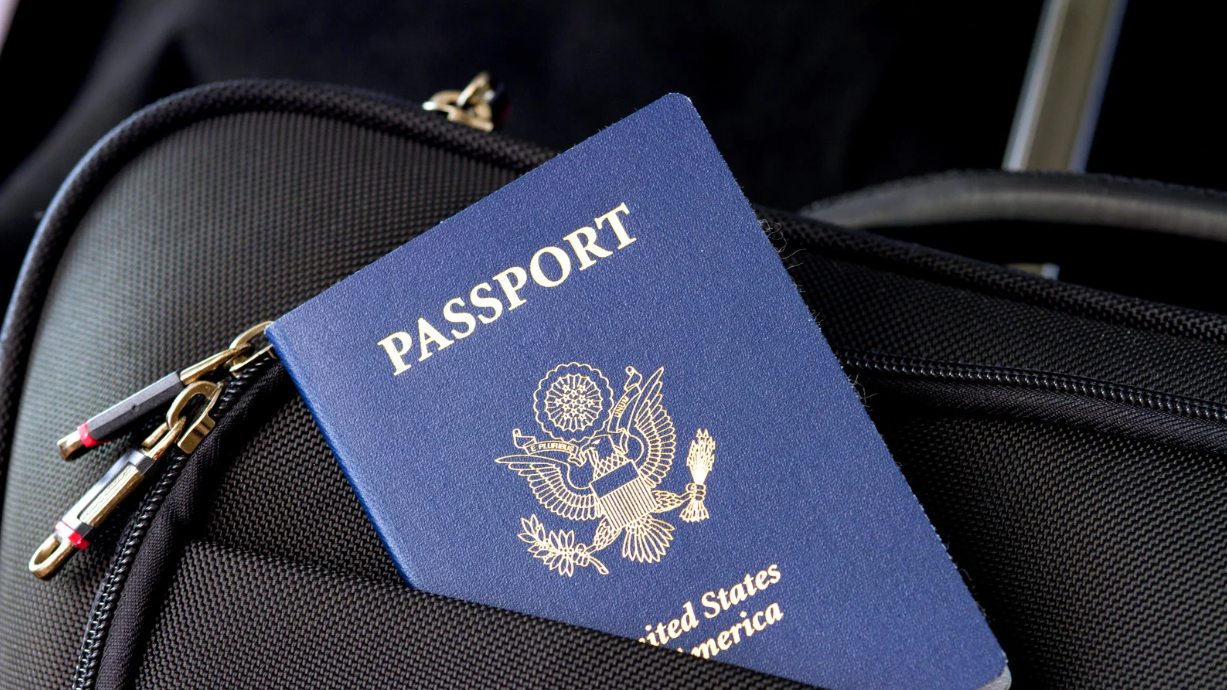
- Research Your Destination: Before traveling, gather as much information as possible about your destination. Learn about the local customs, laws, and any potential safety concerns. Check travel advisories from reliable sources, such as government websites, to stay informed about any risks.
- Health Precautions: Visit a travel clinic to get necessary vaccinations and health advice specific to your destination. Carry a basic first aid kit, including any prescribed medications, insect repellent, and hand sanitizer. It’s also wise to have travel insurance that covers medical emergencies.
- Secure Your Documents: Make copies of your passport, visa, travel insurance, and other important documents. Store digital copies in a secure cloud service and leave a set of copies with a trusted person back home. Keep your original documents in a secure, waterproof pouch.
- Financial Preparation: Inform your bank of your travel plans to avoid any issues with accessing your funds abroad. Carry multiple forms of payment, such as credit cards, debit cards, and some local currency. It’s also a good idea to have an emergency fund set aside.
Staying Safe During Travel

- Transportation Safety: When booking flights, choose reputable airlines with good safety records. For ground transportation, use licensed taxis, ride-sharing services, or reputable car rental agencies. Always wear seatbelts and avoid traveling at night in unfamiliar areas.
- Accommodation Security: Choose accommodations with good reviews and high safety standards. Upon arrival, familiarize yourself with emergency exits and safety procedures. Use hotel safes to store valuables and always lock your doors and windows.
- Stay Connected: Keep in touch with family and friends regularly, updating them on your whereabouts and plans. Share your itinerary with a trusted person and check in with them periodically. Consider using a local SIM card or an international phone plan to ensure reliable communication.
Navigating New Destinations
- Blend In: Avoid drawing attention to yourself by dressing modestly and respecting local customs. Be cautious with flashy accessories. It’s important to be aware of cultural differences and act respectfully.
- Stay Alert: Always be aware of your surroundings and trust your instincts. Avoid isolated areas, especially at night, and stay in well-lit, populated places. Keep an eye on your belongings and be cautious of pickpockets and scams.
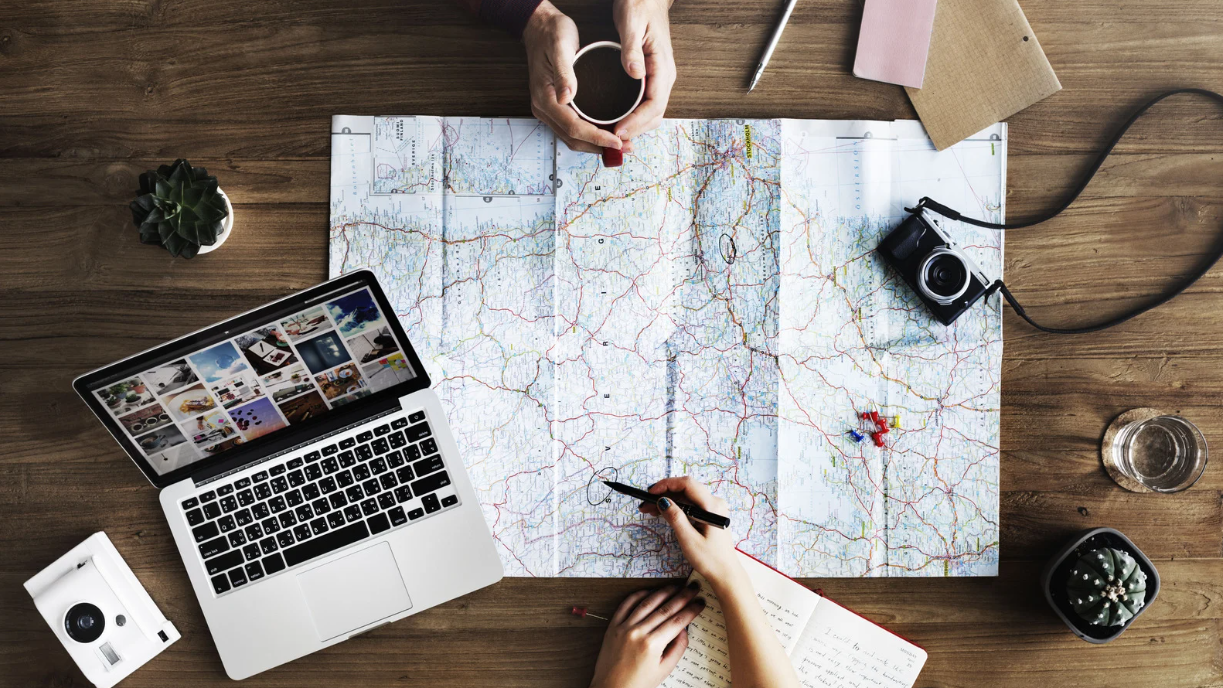
- Use Reliable Maps and Guides: Use trusted maps and navigation apps to find your way around. Consider joining guided tours or using local guides to explore unfamiliar areas safely. Avoid accepting directions from strangers who seem suspicious.
Health and Hygiene

- Stay Hydrated: Drink plenty of water, especially in hot climates, to avoid dehydration. Stick to bottled or purified water if the local water supply is questionable.
- Eat Safely: Be cautious with street food and choose reputable food vendors. Ensure that food is cooked thoroughly and served hot. Wash your hands frequently and use hand sanitizer when necessary.
- Personal Hygiene: Carry a small supply of personal hygiene products, such as soap, tissues, and hand sanitizer. Maintain good personal hygiene to prevent illnesses and infections.
Emergency Preparedness
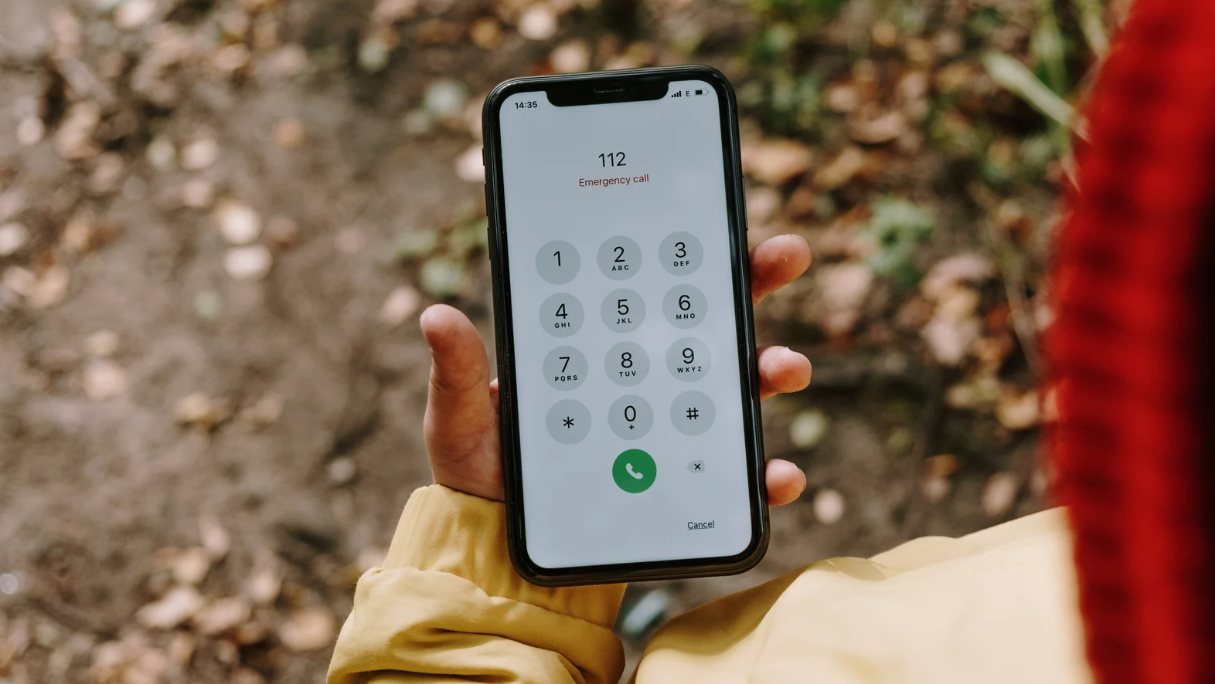
- Know Emergency Numbers: Familiarize yourself with the local emergency numbers for police, medical, and fire services. Keep these numbers easily accessible, such as in your phone or a wallet card.
- Identify Safe Havens: Locate nearby embassies, consulates, and reputable hospitals. In case of an emergency, these places can provide assistance and support.
- Stay Calm and Act Quickly: In case of an emergency, stay calm and assess the situation. Follow local authorities’ instructions and seek help immediately if needed. Having a basic understanding of first aid can be invaluable.
Traveling safely around the world requires careful planning, vigilance, and a proactive approach to potential risks. By following these guidelines, you can enjoy your adventures with peace of mind, knowing you’ve taken the necessary steps to protect yourself and your loved ones. Remember, the goal is to create amazing memories while staying safe and responsible. Happy travels!
Affiliate Disclaimer: Some of the links on this site are affiliate links, meaning we may earn a small commission if you make a purchase through them—at no extra cost to you. This helps support our travels and allows us to keep sharing our experiences. We only recommend products and services we genuinely use and love. Thank you for your support!

Leave a comment